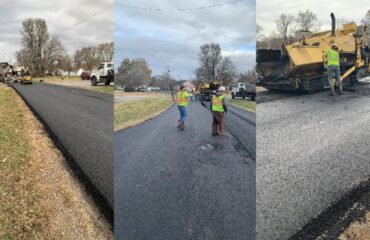
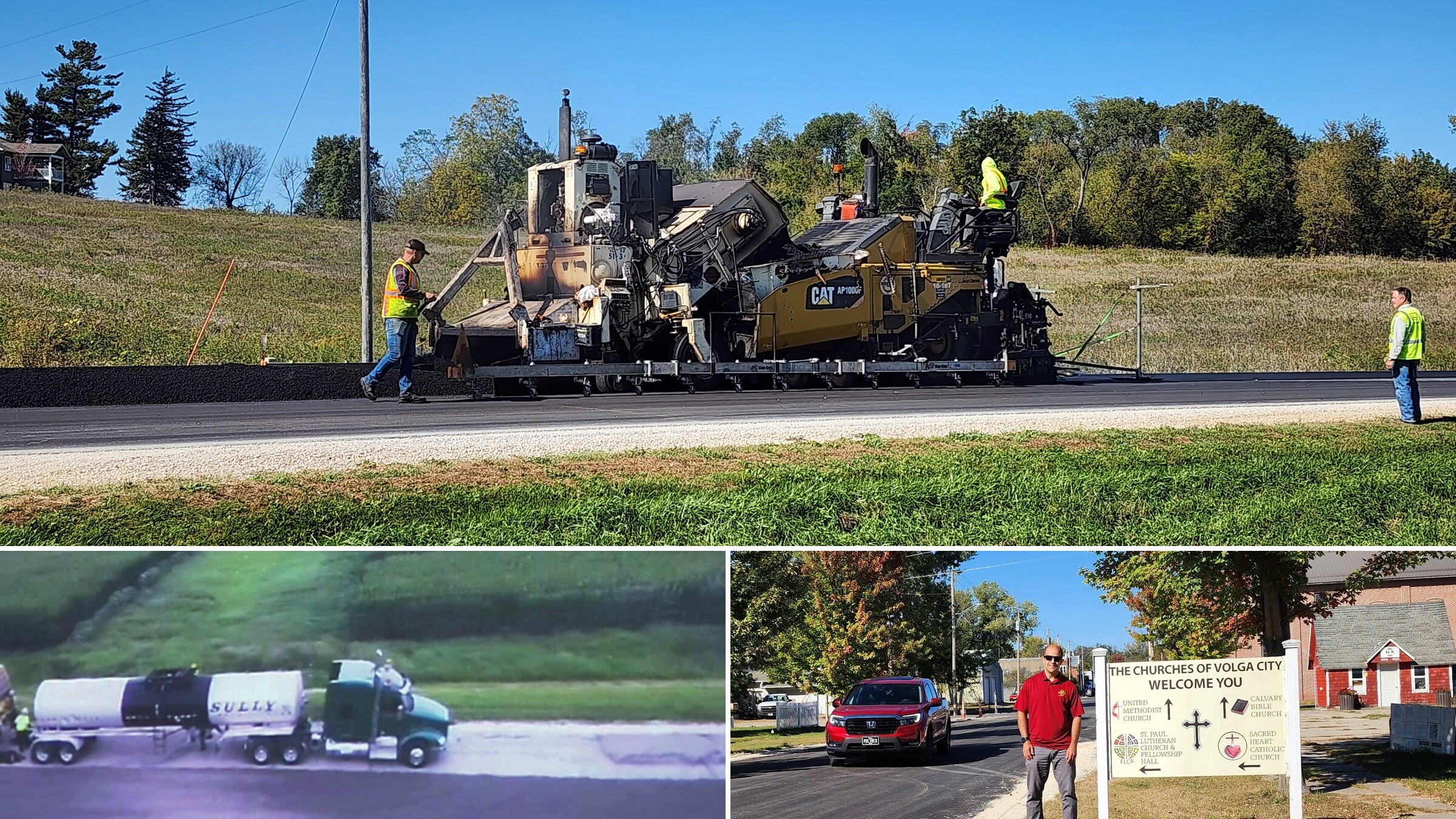
Four northeast Iowa projects put SIP-1111™ to work across approximately 24 centerline miles in 2025: County Road C14 in Fayette County, County Roads B45 and X28 in Clayton County, and Washington Street in Volga. The program combined cold-in-place recycling, recycled hot mix, county-road scale, and a small-town main street.
Four sites in one construction program
County Road C14 covered 8.6 miles south of West Union. Clayton County’s B45 and X28 projects covered a combined 14.7 miles. Nearly half a mile of Washington Street carried the program through Volga’s business district.
| Location | 2025 construction scope | Customer takeaway |
|---|---|---|
| Fayette County C14 | 8.6 miles south of West Union | Recycled base and recycled HMA surface at county-road scale |
| Clayton County B45 | Part of 14.7 miles on B45 and X28 | SIP-1111™ integrated into CIR and hot-mix production |
| Clayton County X28 | Part of 14.7 miles on B45 and X28 | SIP-1111™ integrated into CIR and hot-mix production |
| Volga, Washington Street | Nearly half a mile | Municipal main-street deployment within a regional program |
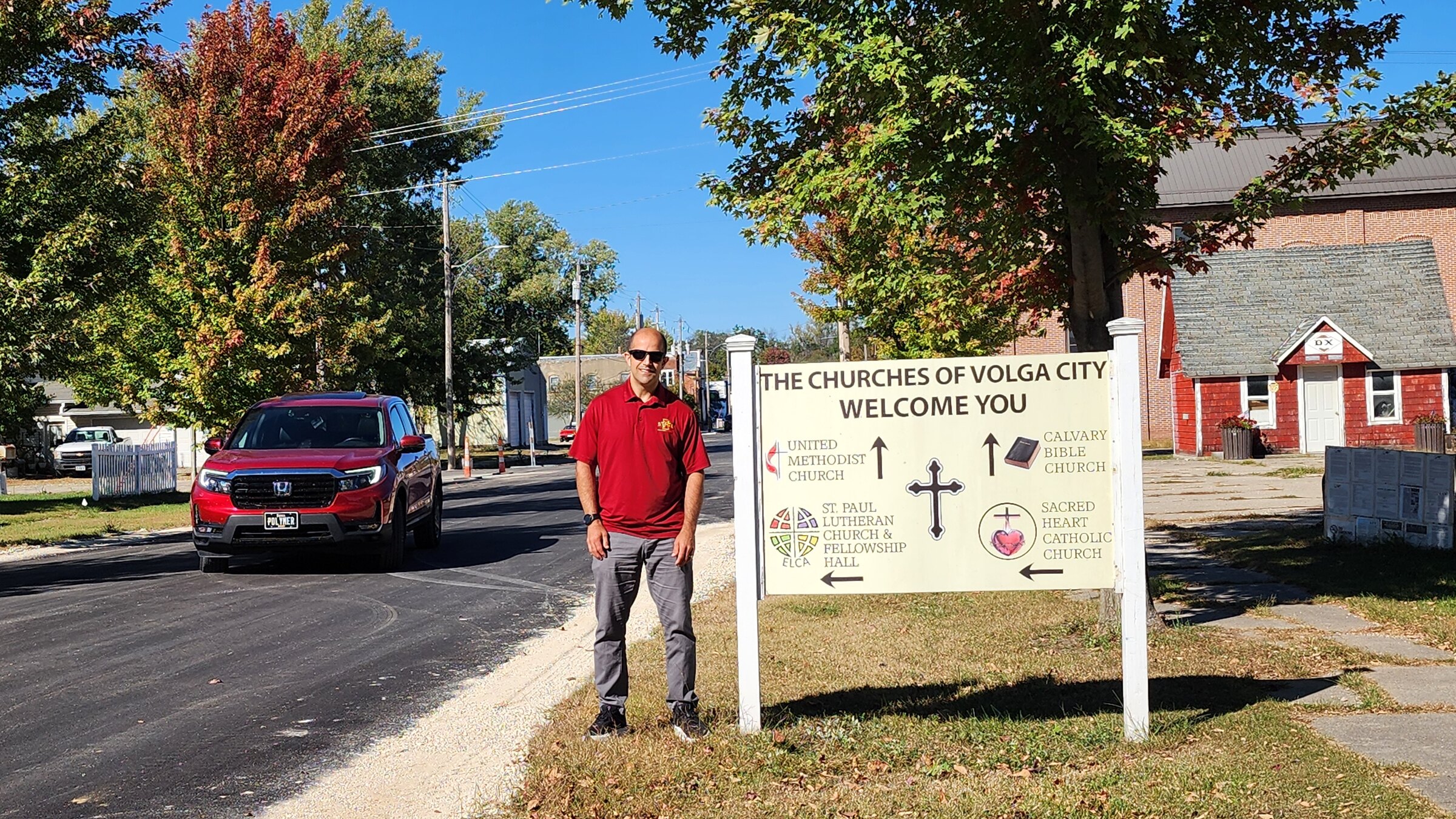
Washington Street in Volga
Nearly half a mile of Washington Street brought the regional SIP-1111™ construction program through Volga’s business district. This municipal main-street project paired the program’s recycled-material strategy with a finished surface serving homes, businesses, and community destinations.
Cold recycling below, recycled hot mix above
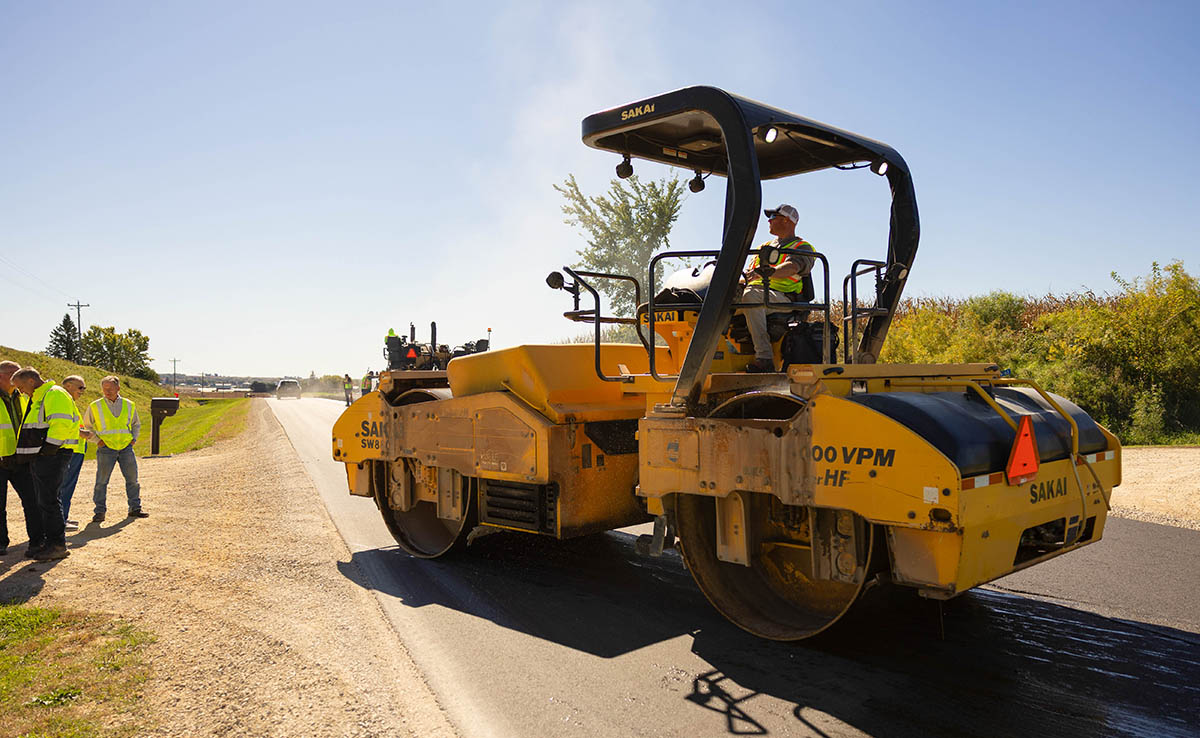
SIP-1111™ was used in foamed asphalt for a 100% recycled cold-in-place base layer across the Clayton and Fayette County work. The hot-mix asphalt surface used SIP-1111™ with about 30% recycled pavement.
Fayette County used 182 fewer tons of foamed asphalt than expected, a reported 67% reduction. After the cost of SIP-1111™, the county recorded approximately $97,000 in foam-binder savings. In Clayton County, the B45 and X28 hot-mix work used approximately 33 tons of soy rejuvenator.
More existing pavement, less new binder demand
The construction sequence recovered the existing pavement for the base and carried recycled material into the wearing course. For agencies, that means a rehabilitation strategy built around material already in the road. For producers, it demonstrates SIP-1111™ in both foamed-asphalt recycling and recycled hot-mix production within one regional program.
Northeast Iowa project coverage
Watch at source
Could bioasphalt save soybean farmers?
NewsNation coverage of the regional soy-asphalt program. The segment discusses the Northeast Iowa work and should not be read as footage of every project site.
Watch at source
Using soybeans to create longer lasting roads in Iowa
Iowa State University News Service overview of the Fayette, Clayton, and Volga construction program.
Watch at source
Soybeans are building new domestic demand on Iowa roads
U.S. Farm Report coverage of the regional Northeast Iowa road program. The linked segment discusses multiple locations and is not attributed to one road.
Review SIP-1111™ · See related demonstration projects · Discuss recycled-base and high-RAP work with SoyLei
Source Documents
- Soy-based pavement technology replaces, renews 24 miles of rural Iowa roadways, Iowa State University News Service, 2025-10-27
- Soybeans pave the way in northeast Iowa, Iowa Soybean Association, 2025-10-30