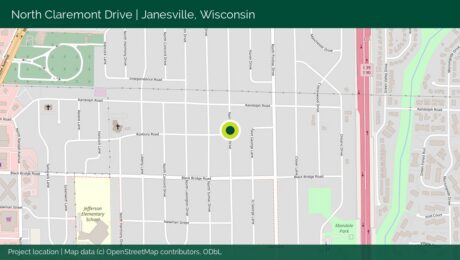



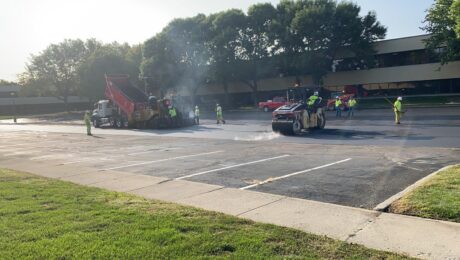


A North Claremont Drive field trial paired 40% aged-binder replacement with 0.5% SIP-1111™. DCT averaged 358 versus 355 J/m² and IDEAL-CT averaged 193.5 versus 188.2 for the same mixture with 0.5% Anova.
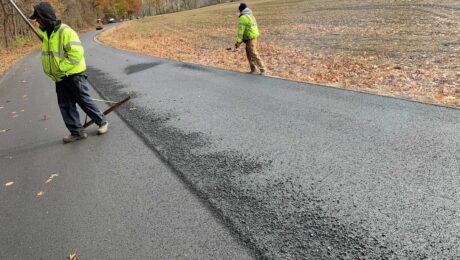
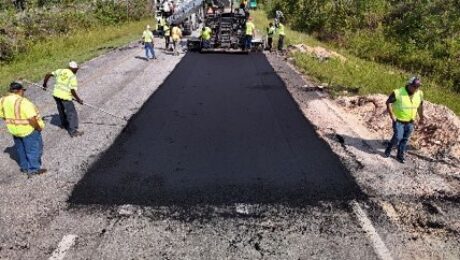
The Lower Road demonstration used SIP-1111™ to formulate PG 58-28 binder from hard 30-penetration asphalt. The 30% RAP mix raised the reported cracking-test indices and recorded 5.1 mm Hamburg deformation versus 4.5 mm for the 15% RAP control at 45°C.
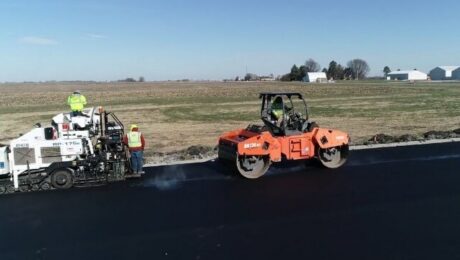
A full-scale Missouri demonstration compared control, 1.75%, and 3.5% SIP-1111™ sections in a 35% RAP mix, followed by CT Index, DCT, and I-FIT testing at Iowa State University.
A BioMAG™ section built with 20% RAP entered accelerated truck traffic at the NCAT Test Track in 2018 and accumulated approximately 20 million ESALs with minimal surface distress.
The BioCentury Research Farm demonstration paired 18% RAP with a 6% BioMAG™ and 2% SBS formulation that delivered a broad continuous binder grade range and strong MSCR recovery.
A city-street demonstration in St. Joseph paired 25% RAP with BioMAG™ and retained the modified binder's continuous performance-grade range after recovery.
One section of the Indiana Soybean Alliance parking-lot demonstration paired 40% RAP with BioMAG™ and supplemental SIP-1111™, reaching approximately PG 64H-28 and exceeding the project summary's cracking thresholds.
NCAT Section S1 combined 50% RAP with 4.1% SIP-1111™ and recorded no visible cracking with less than 3.5 mm rut depth after one year and about 4 million ESALs.
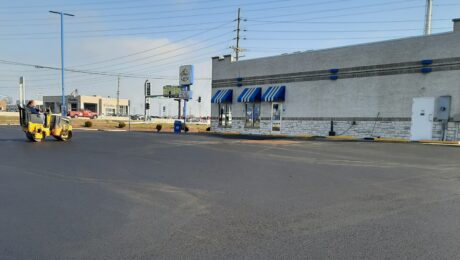
A 500-ton Indianapolis parking-lot trial compared 40% RAP with SIP-1111™ against a 25% RAP control, measuring recovered-binder, DCT, and Hamburg performance.