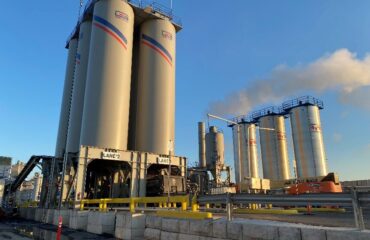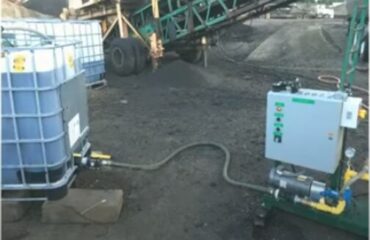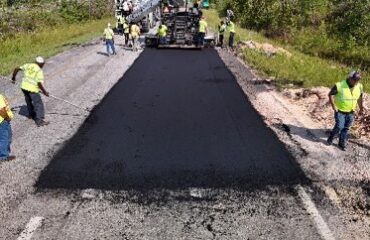
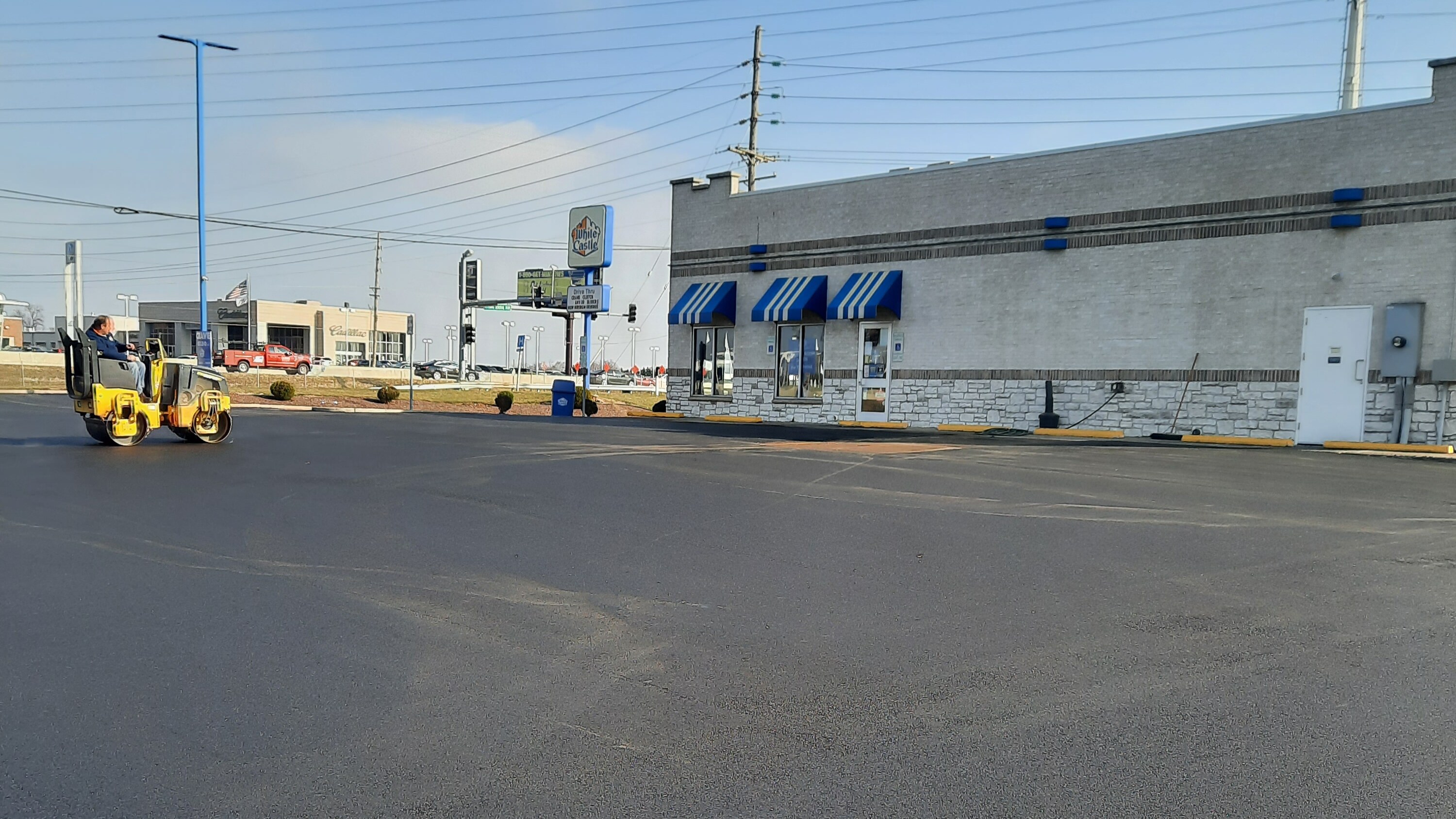
A December 2020 demonstration in St. Peters, Missouri, put SIP-1111™ into full-scale production with 35% reclaimed asphalt pavement. Three sections created a direct field comparison: an untreated control, a 1.75% SIP-1111™ section, and a 3.5% SIP-1111™ section.
The production run used a PG 58-28 base binder, 5.2% total binder, and 3.7% added binder. Approximately 415 tons were produced across the three sections: 100 tons of control mix, 105 tons at 1.75%, and 210 tons at 3.5%.
One field design, three dosage levels
Holding the recycled content and base design constant made dosage the central variable. The field team sampled each mixture from its third or fourth truck and sent the material to Iowa State University for follow-up testing.
Production began at approximately 37°F and continued into the mid-40s. The project owner reported that the mix was easy to handle, adding a practical production observation to the laboratory comparison that followed.
CT Index increased across the dosage series
At 7.0% air voids, the untreated 35% RAP control recorded an average CT Index of 14.9. The 1.75% SIP-1111™ mixture recorded 35.4, and the 3.5% mixture recorded 91.1.
The 3.5% result was more than six times the control value. It also exceeded the CT Index 80 reference line shown with the Missouri results, providing a clear cracking-performance response within the same high-RAP mix design.
DCT and I-FIT moved in the same direction
Average DCT fracture energy at -12.0°C increased from 229 J/m² for the control to 309 J/m² at 1.75% and 369 J/m² at 3.5% SIP-1111™.
Average I-FIT index followed the same progression: 2.2 for the untreated control, 4.1 at 1.75%, and 7.6 at 3.5%. Across CT Index, DCT fracture energy, and I-FIT, the two SIP-1111™ mixtures outperformed the untreated control and the higher dosage produced the strongest result.
A practical high-RAP formulation tool
St. Peters connects plant-scale production with matched mixture testing. Producers can see the field scale, the untreated baseline, two dosage options, and three cracking metrics from one 35% RAP program.
The trial demonstrates how SIP-1111™ can support higher recycled content while giving formulators a measurable way to select dosage. For asphalt producers and agencies evaluating rejuvenator approval, that combination of production experience and dose-response data turns a formulation decision into a testable performance program.
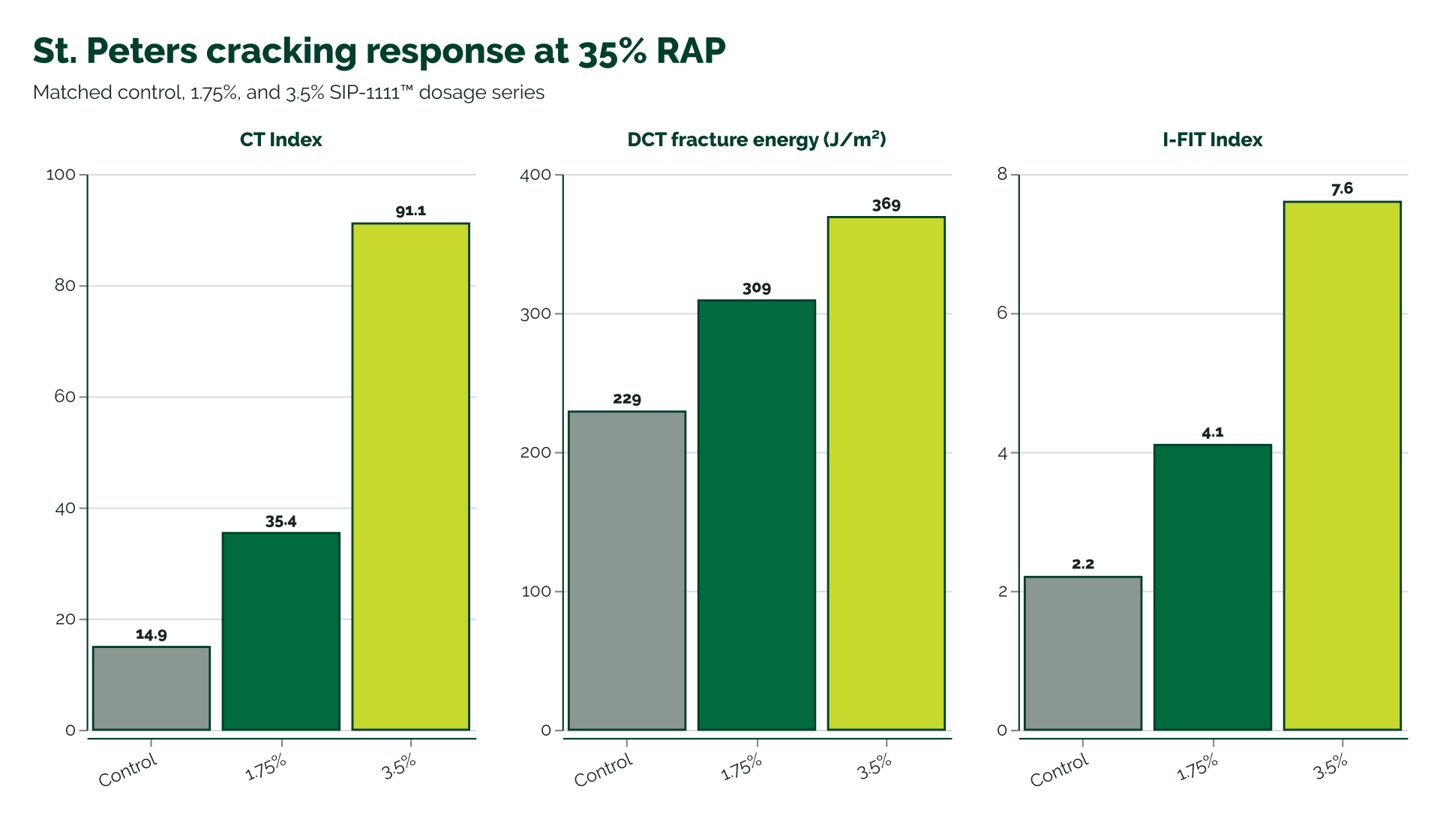
Higher CT Index, DCT fracture energy, and I-FIT are favorable. No DCT threshold is plotted because the reviewed deck slides conflict.
| SIP-1111 dosage (% total binder) | CT Index | DCT fracture energy (J/m²) | I-FIT Index |
|---|---|---|---|
| 0 | 14.9 | 229 | 2.2 |
| 1.75 | 35.4 | 309 | 4.1 |
| 3.5 | 91.1 | 369 | 7.6 |
Source: SIP-1111 Demo Paving Results. Slide 28, Missouri Demonstration Results – ISU table
Review SIP-1111™ · See related demonstration projects · Discuss a high-RAP formulation program with SoyLei
Source Documents
- SIP-1111™ Demonstration Paving Results, SoyLei Innovations, 2025