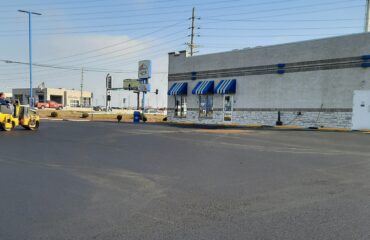
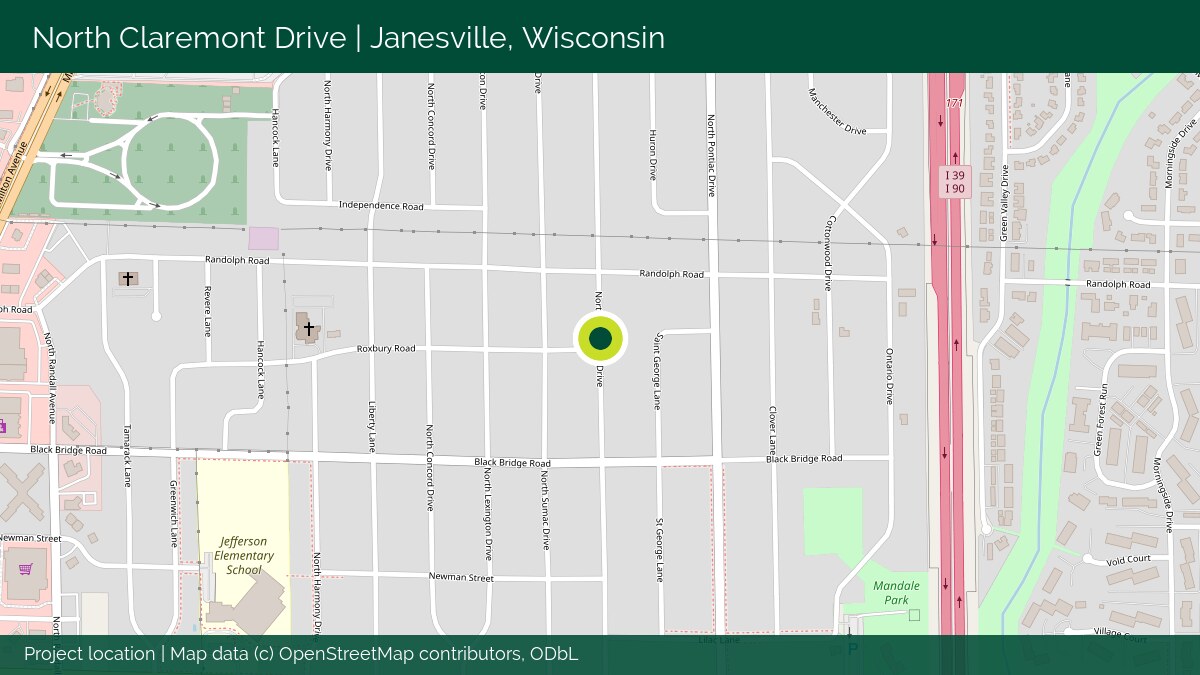
On October 24, 2020, Rock Road Companies produced a head-to-head rejuvenator comparison for a City of Janesville paving section on North Claremont Drive. The 5 LT hot-mix asphalt used a 46-34 virgin binder and 40% aged-binder replacement. One project mixture contained 0.5% SIP-1111™ on total asphalt-cement content; the comparator used the same dosage of Anova.
The project put equal-dose rejuvenator formulations into a full-scale city paving program, then carried material from the comparison into laboratory performance testing. The result is a practical data set for producers evaluating high-recycled-content mixtures without changing the additive dosage between products.
Equal dosage with direct cracking-test results
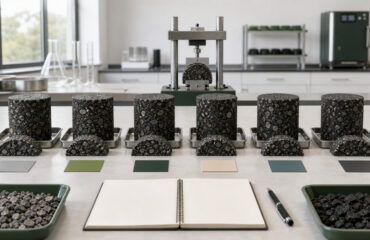
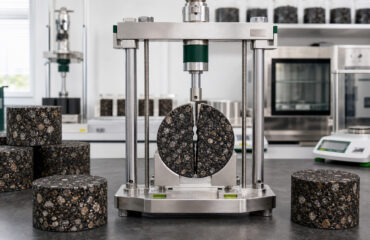
Iowa State University tested three project-mixture specimens from each 0.5% formulation in the disk-shaped compact tension test. The SIP-1111™ specimens averaged 358 J/m² of DCT fracture energy, compared with 355 J/m² for Anova. Air voids across the six specimens ranged from 6.87% to 7.48%.
Three additional specimens per formulation were evaluated with IDEAL-CT. SIP-1111™ produced an average CT index of 193.5, compared with 188.2 for Anova, at specimen air voids ranging from 6.8% to 7.4%.
| Project-sample test | 0.5% SIP-1111™ | 0.5% Anova |
|---|---|---|
| Average DCT fracture energy | 358 J/m² | 355 J/m² |
| Average IDEAL-CT index | 193.5 | 188.2 |
Pretrial testing against both Anova and an untreated control
Rock Road Companies also evaluated the 5 LT 46-34 design before field production. In that laboratory study, the 0.5% SIP-1111™ mixture recorded 410.7 J/m² of DCT fracture energy. The matching 0.5% Anova design measured 403.3 J/m², while the no-additive design measured 356.7 J/m².
Hamburg wheel-track testing ran through 20,000 passes. The SIP-1111™ design recorded a stripping inflection point of 19,949 passes and 5.5 mm final rut depth. The Anova design recorded 17,020 passes and 6.5 mm; the no-additive design recorded 16,085 passes and 6.5 mm.
| Pretrial laboratory result | 0.5% SIP-1111™ | 0.5% Anova | No additive |
|---|---|---|---|
| DCT fracture energy | 410.7 J/m² | 403.3 J/m² | 356.7 J/m² |
| Hamburg stripping inflection point | 19,949 passes | 17,020 passes | 16,085 passes |
| Hamburg final rut depth | 5.5 mm | 6.5 mm | 6.5 mm |
Plant-ready delivery for a high-recycled-content mix
Rock Road Companies injected the liquid additive into the asphalt-cement line immediately before the binder entered the plant’s dual drum. That production arrangement moved SIP-1111™ directly from a tote into the 40% recycled-binder mixture and supplied project material for independent testing.
What Janesville demonstrates
Janesville established an equal-dose field comparison in a demanding recycled-binder application. At 0.5% additive, the SIP-1111™ project samples averaged 358 J/m² DCT fracture energy and 193.5 IDEAL-CT; the Anova samples averaged 355 J/m² and 188.2. The supporting pretrial study added no-additive context and recorded the highest DCT fracture energy, highest Hamburg stripping inflection point, and lowest final rut depth among the three 5 LT 46-34 designs.
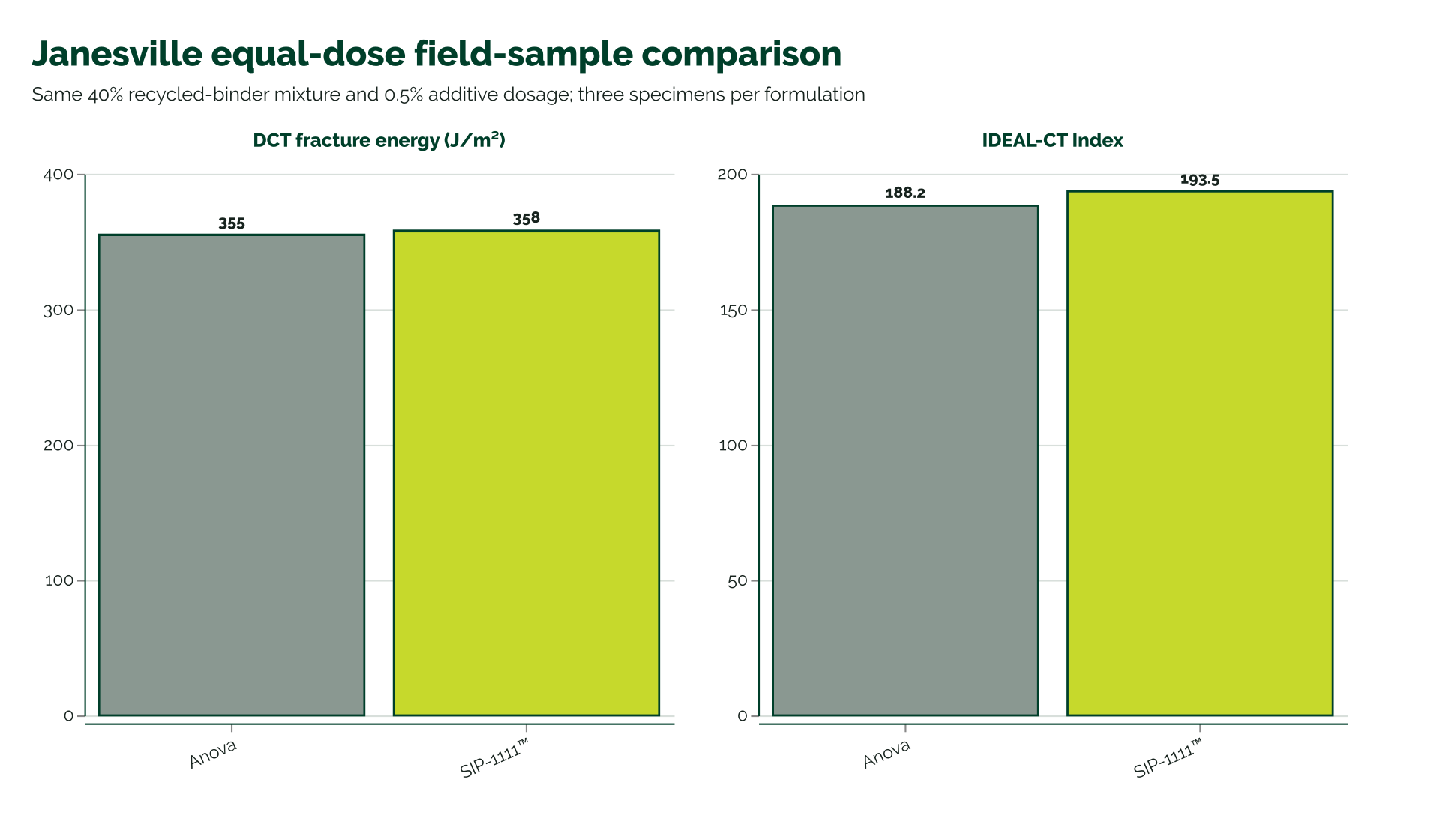
Higher DCT fracture energy and IDEAL-CT Index are favorable; zero-based scales avoid exaggerating the small differences.
| Treatment | Dosage (%) | Specimens | DCT fracture energy (J/m²) | IDEAL-CT Index |
|---|---|---|---|---|
| Anova | 0.5 | 3 | 355 | 188.2 |
| SIP-1111™ | 0.5 | 3 | 358 | 193.5 |
Source: Reviewed Janesville Wisconsin Mix Performance Tables. Gmail message 175adca312f962db, DCT and IDEAL-CT specimen tables; accepted project packet takes precedence over the later transposed deck labels
Explore SIP-1111™ · See more demonstration projects · Discuss a high-recycled-content asphalt formulation with SoyLei
Source Documents
- SIP-1111™ Demonstration Paving Results, SoyLei Innovations, 2025